What We Mean by “Possibility”
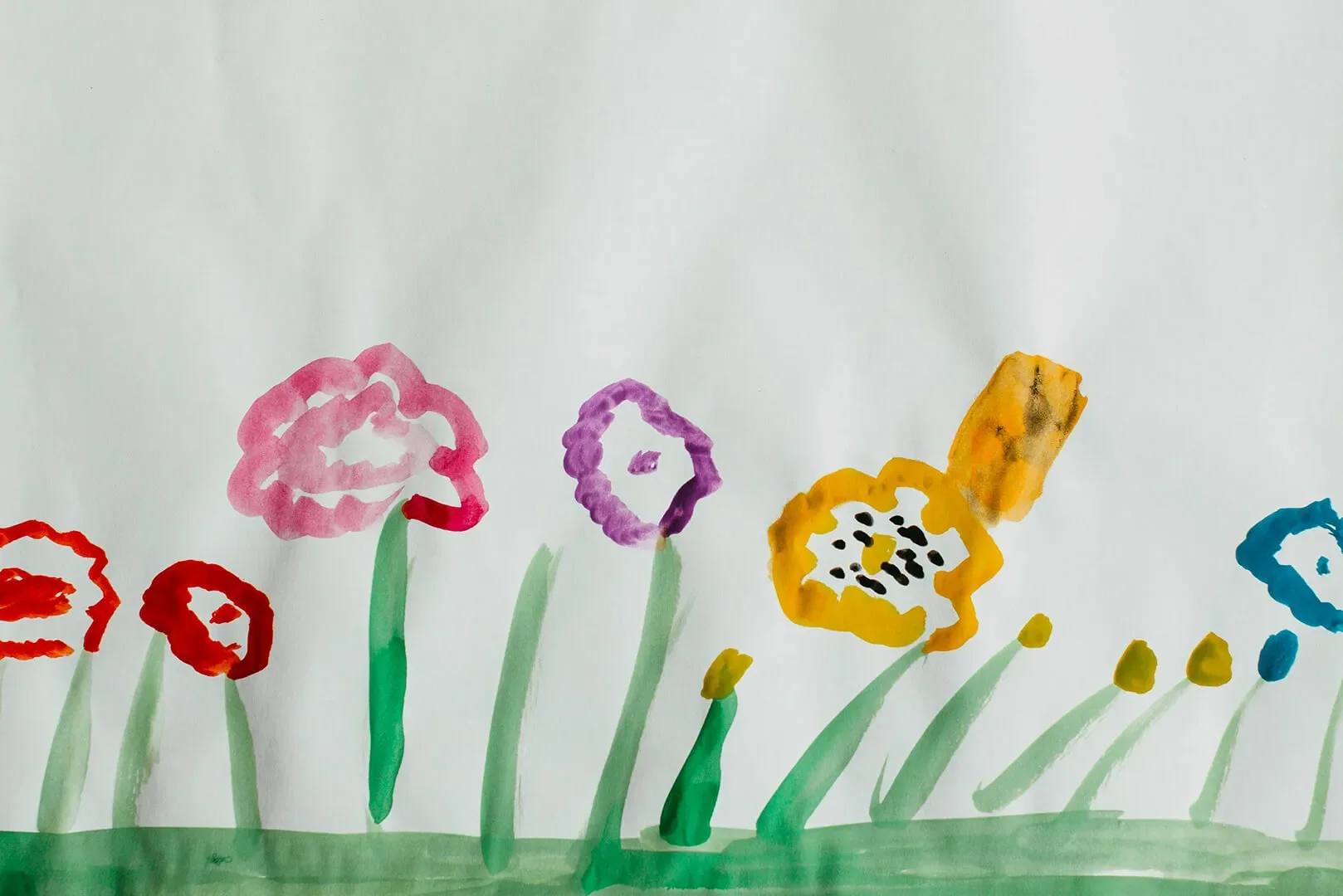
People say “that kid is talented” like it is a fixed trait. Like creativity belongs to a few kids who somehow got the lucky gene.
But most of what we call talent is actually something else.
It is exposure. It is safety. It is encouragement.
That is what we mean by possibility.
Possibility Is Not Talent
When kids are labeled “talented,” two things tend to happen:
The kid who gets the label feels pressure to keep proving it.
The kid who does not get the label decides it is not for them.
Neither outcome is helpful. Especially early on.
Possibility is not about being good. It is about having a real chance to begin, continue, and come back to creativity again and again without fear.
Possibility = Exposure + Safety + Encouragement
1) Exposure
Kids need repeated contact with creative experiences to discover what they like and what they can do.
Exposure looks like:
different mediums, not just one kind of project
simple tools that feel approachable
examples that show many ways something can turn out
consistent opportunities, not a one-off activity
A child cannot develop a creative voice if they rarely get the mic.
2) Safety
This is the part adults underestimate.
Safety is not just physical. It is emotional and social. It is the sense that you can try something, get it wrong, change your mind, and still belong in the room.
Safety looks like:
clear steps, so starting does not feel overwhelming
flexible outcomes, so the project can still feel like theirs
a pace that leaves room for learning
environments where mistakes are normal, not embarrassing
When kids feel safe, they take creative risks. When they do not, they play small or opt out.
3) Encouragement
Encouragement is not hype. It is noticing and naming what is real. Encouragement looks like:
“I see how you solved that problem.”
“That was a strong choice.”
“You stayed with it even when it got tricky.”
“Show me what you changed.”
The goal is not praise for being “good.” It is support for being engaged.
That is how possibility becomes momentum.
Why Outcome-Based Thinking Does Not Belong in Art
Outcome-based thinking shows up when the project is treated like a test.
Did it look like the sample.
Did it turn out “right.”
Is it impressive.
This approach shrinks creativity fast, because it teaches kids to prioritize approval over exploration.
It also teaches the wrong lesson: that art is something you succeed or fail at, instead of something you practice and develop.
When the outcome becomes the point, kids learn to:
copy instead of experiment
avoid risk
compare constantly
quit when it does not look “good” quickly
That is not what art is for.
What Belongs Instead
If possibility is the goal, art needs a different kind of measurement.
Not: “Does it look good?”
But: “Did you try something? Did you make choices? Did you keep going? Did you learn what you want to do next?”
That is how kids build creative stamina. That is how they develop taste. That is how they build their own voice.
How This Shows Up in Palette of Possibilities
This is why our projects are guided but flexible.
We want kids to have enough structure to start, enough freedom to make it their own, and enough support to keep going. That is the difference between a project that intimidates and one that feels possible.
Possibility is not a personality trait, it is what happens when kids are given exposure, safety, and encouragement, consistently.