Who Gets Left Out of Creative Spaces (And Why That Matters)
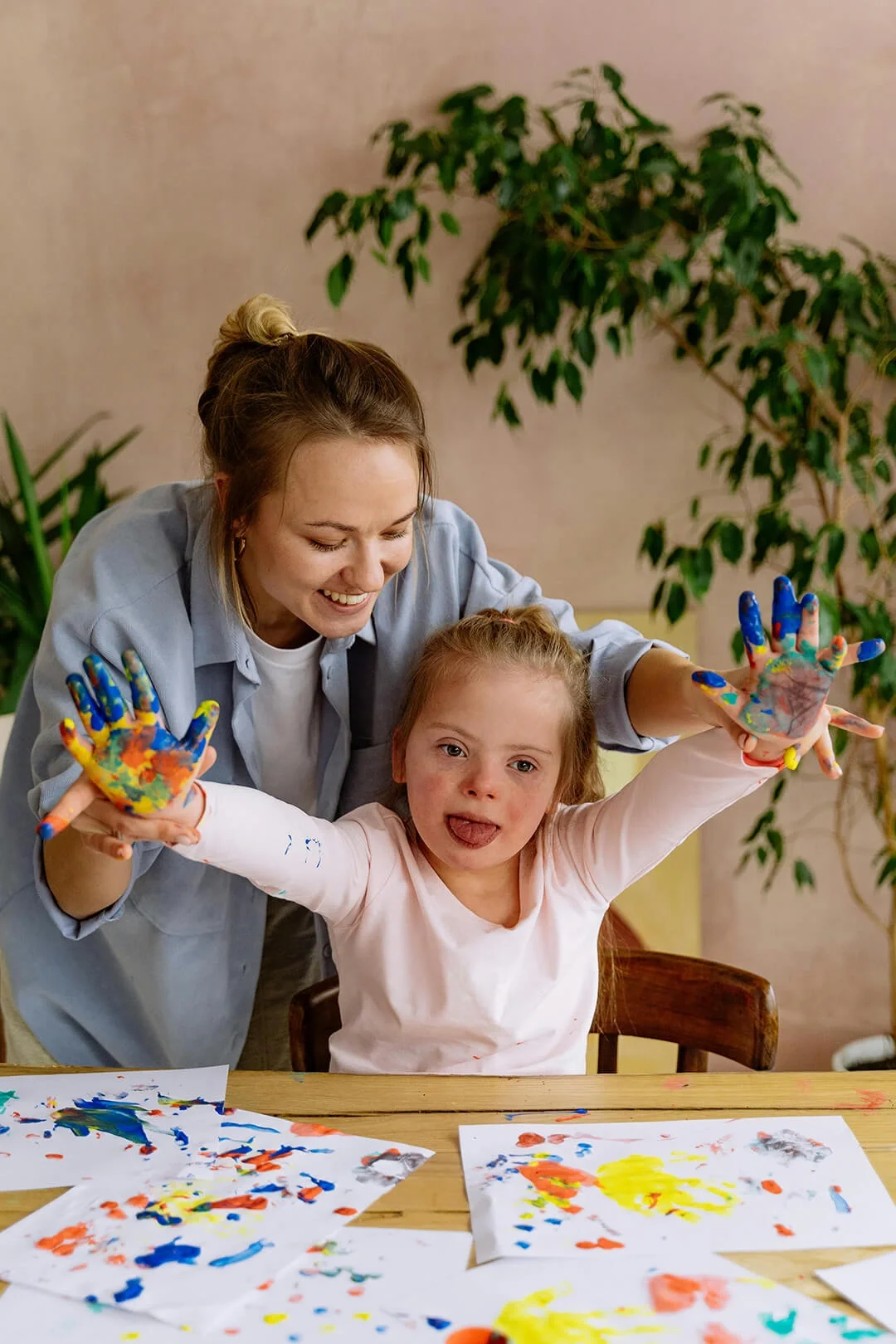
Creative spaces are not just art rooms or studios. They are any place where kids get to try things, make a mess, change their minds, and still feel welcome.
For some kids, that is built into their week. For others, it is occasional, hard to reach, or missing entirely. The gap is not usually about whether a child wants to create. It is about friction: access, time, resources, transportation, cost, staffing, and whether the opportunity exists in the first place.
Who Gets Left Out (Even When Interest Is There)
1) Kids Whose Schools Offer Less Arts Instruction
Access varies by school context, and those differences show up in national data. In the NEA’s analysis of the November 2024 School Pulse Panel survey (NCES), schools in lower-poverty neighborhoods were more likely to offer standalone arts classes than schools in higher-poverty neighborhoods (95% vs 88%). The same brief notes that high-poverty schools were less likely to offer media arts, music, or visual arts.
Even when arts classes exist, time can be thin. The brief reports that among schools offering music and visual arts, a sizable share offer less than one instructional hour per week.
2) Kids In Smaller Schools and Rural Settings
School size matters. The NEA brief notes that the smallest schools (under 300 students) were least likely to offer arts courses, and that rural and smaller schools were less likely to employ full-time arts specialists, relying more heavily on classroom teachers. That staffing reality often means fewer offerings, less continuity, and fewer chances to build skill over time.
3) Kids In Schools Serving Higher Proportions of Students of Color
The same School Pulse Panel analysis reports that schools with more than 75% students of color were less likely to offer arts instruction overall (90%) than schools with 25% or fewer students of color (97%). This is one of the clearest examples of how “access” is not evenly distributed, even before you factor in what happens outside school hours.
4) Kids Whose Families Have Less Flexibility Around Time, Transportation, or Fees
Even when community arts exist, they are not automatically reachable. The barrier might be cost, the schedule, the drive, the caregiver’s availability, or the fact that the program requires materials families are expected to provide.
Public perception reflects that unevenness. In the national “Americans Speak Out About the Arts in 2023” survey, only 51% of Americans agreed that everyone in their community has equal access to the arts.
5) Kids Who Need More Accessible, Adaptive Creative Spaces
Some kids are left out for reasons that are easy to miss in planning: sensory overwhelm, unclear instructions, environments that are not physically accessible, or projects that assume a narrow set of fine-motor skills.
This is not about lowering expectations. It is about designing projects and spaces that allow different kinds of participation, so more kids can stay in the room and keep going.
Why This Matters
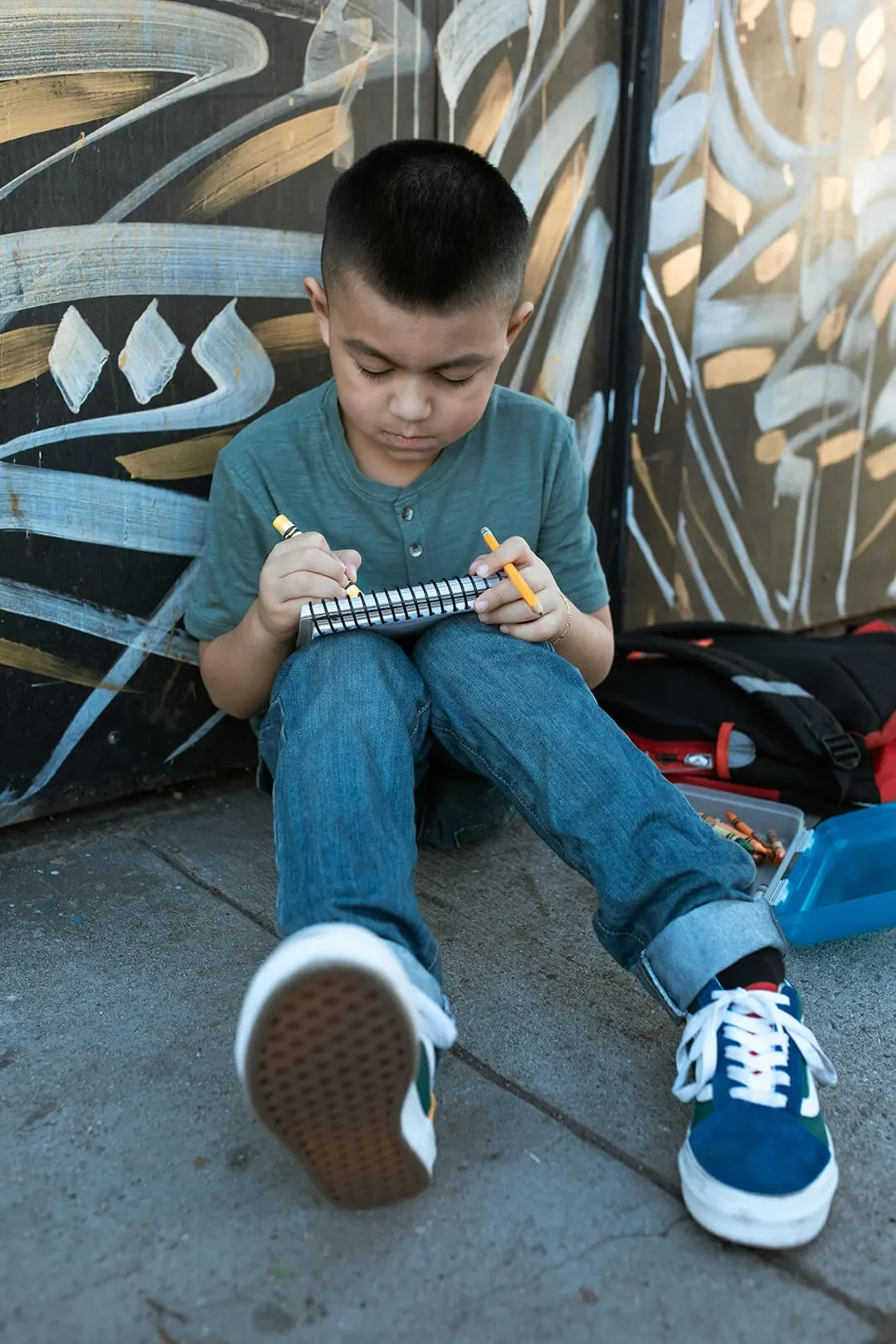
When creative opportunities are inconsistent, kids lose more than an activity. They lose a reliable place to practice how learning actually works: trying, revising, problem-solving, and expressing an idea.
Research also suggests access patterns are not stable across childhood. The NEA’s “Snapshots of Arts Education in Childhood and Adolescence” notes that children’s access to in-school arts activities diminished between kindergarten and fifth grade, while out-of-school arts learning increased over time. That split matters, because out-of-school learning is often where affordability and transportation become decisive.
What Closing the Gap Actually Looks Like
This is where the conversation usually gets too abstract. “More arts” is not a plan. Access improves when opportunities are designed around real constraints.
A few practical levers show up again and again:
Offer creativity where kids already are (libraries, schools, parks, community and digital spaces), so transportation is not the gatekeeper.
Make projects clear and repeatable, with flexible outcomes and materials that do not require specialty shopping.
Build consistency, not one-off events. The rhythm is what makes kids return and grow.
Use partnerships to widen the door. Policy recognizes the issue too. NASBE points to the Every Student Succeeds Act (ESSA) as an opportunity for states to address uneven access to arts instruction as part of a “well-rounded education.”
Where This Lands For Palette of Possibilities
This is a big part of why Palette of Possibilities is built around guided, project-based creativity in community settings, paired with digital lessons and scholarship support.
Access is not a slogan. It is logistics, format, and consistency. If we want more kids included, the work has to be designed to travel well, fit real schedules, and feel welcoming from the start.